Skip to content

Resources · Blog

Weather decisions, explained for the people who make them.

Written by Flash meteorologists for the athletic trainer, the superintendent, the safety officer and the adjuster — the calls you make in the 60 minutes before a storm and the hours before a heat day.

Latest

News and notes from Flash

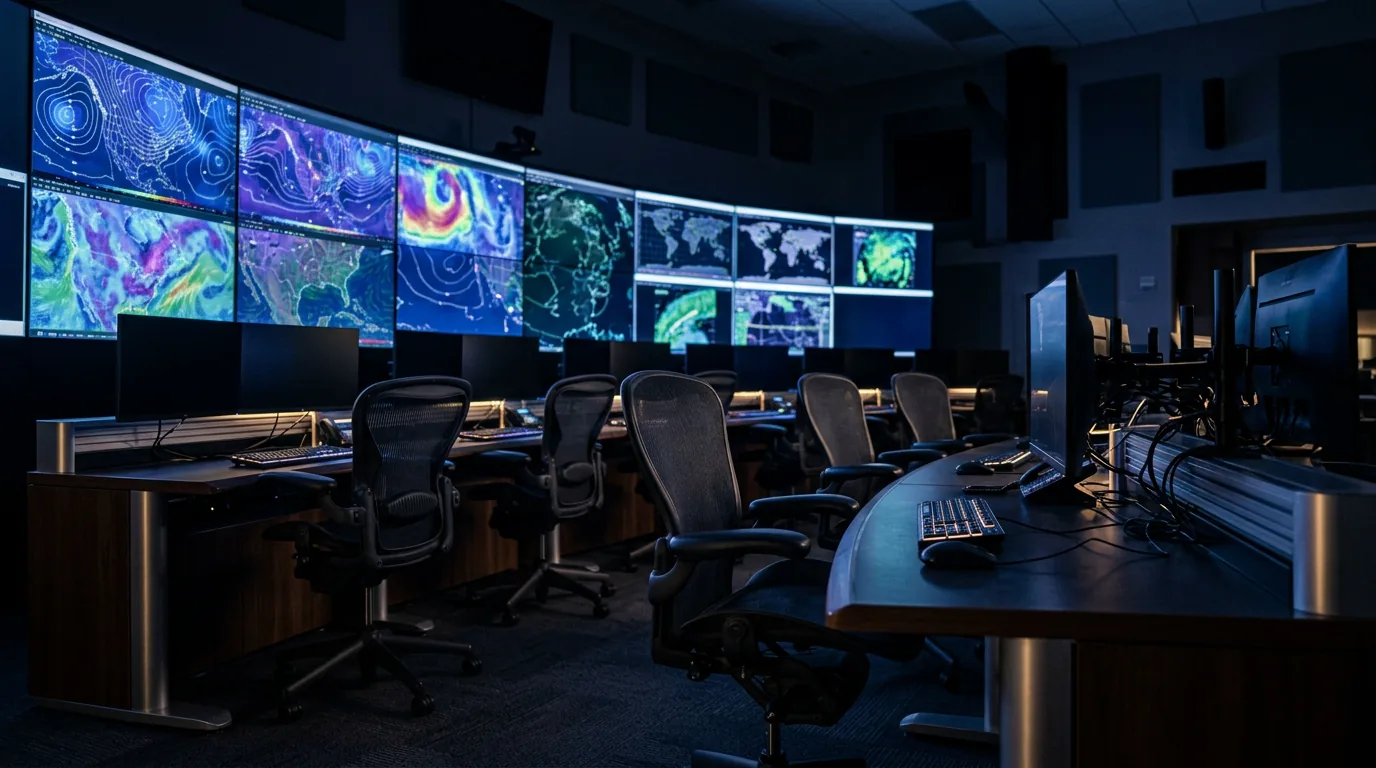
  • A darkened operations room with glowing weather screens, the kind of desk where a web-based storm-tracking tool is watched

    Vendor comparisons

    Flash vs Baron: lightning alerts compared

    Baron is a broadcast and public-safety weather company: Lynx for TV, Threat Net for alerts on detected strikes. How Threat Net’s lightning alerts compare with a per-cell forecast.

    Flash Meteorology Desk ·

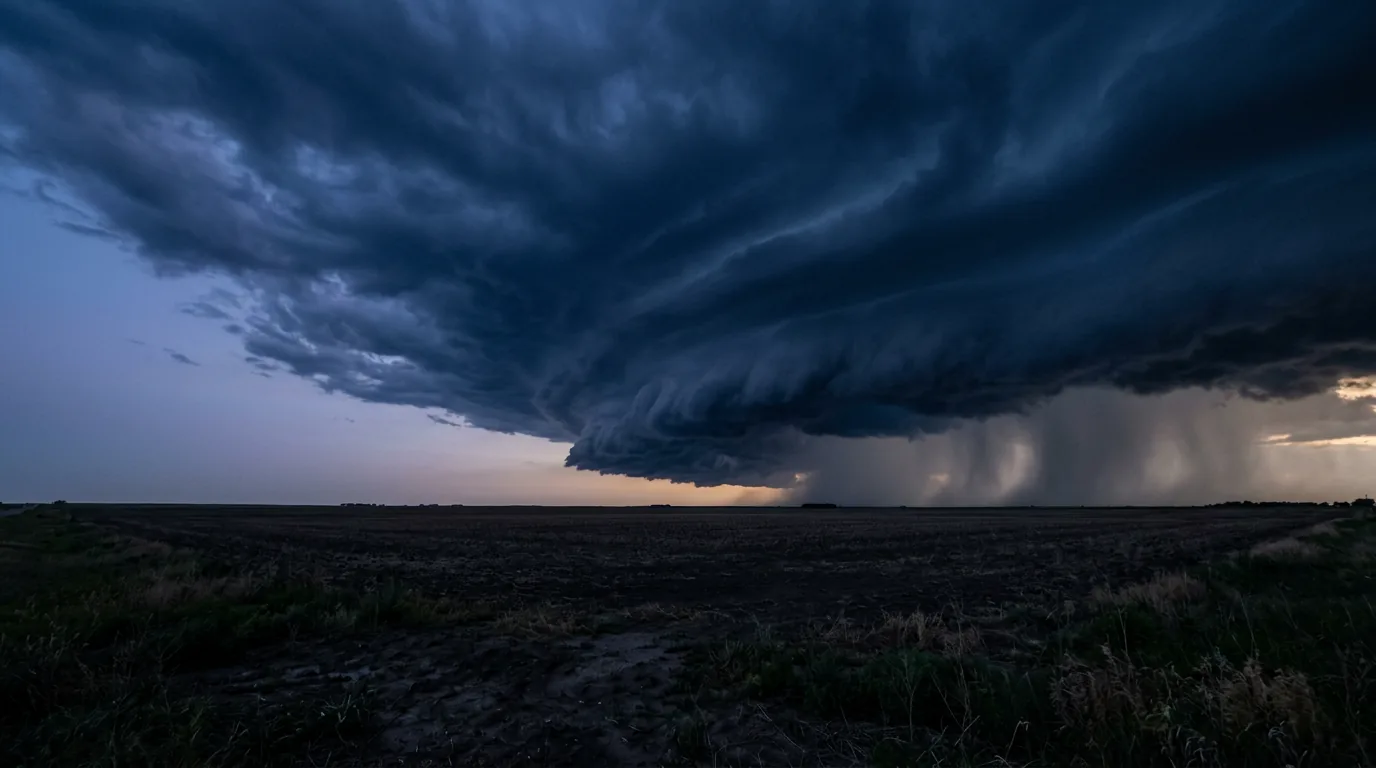
  • A storm shelf cloud rolling over an empty field at dusk before any lightning has struck, the window before a detection alert can fire

    Vendor comparisons

    Flash vs WeatherSTEM: lightning alerts compared

    WeatherSTEM sells lightning detection alerts, weather stations and outdoor sirens to schools and venues. How its detection alerts compare with a per-cell lightning forecast.

    Flash Meteorology Desk ·

  • A cloud-to-ground lightning bolt striking open ground at night, the kind of flash the 30-30 rule asked people to count from

    Lightning decisions

    The 30-30 lightning rule, and the half that still applies

    The first 30 was a count from flash to thunder. Current NFHS, NATA and NWS guidance no longer waits for it. The second 30, the all-clear wait, is still the rule.

    Flash Meteorology Desk ·

  • A dim operations room with monitors showing radar maps, the kind of weather dashboard an athletics or venue team watches on game day

    Vendor comparisons

    Flash vs DTN WeatherSentry: lightning safety compared

    DTN WeatherSentry is a broad weather dashboard with strike detection, storm tracking and an optional siren. Flash is built around the hour before the first strike. Where each one fits.

    Flash Meteorology Desk ·

  • A cloud-to-ground lightning bolt striking open ground at night, the kind of event a detection network locates and a siren system reacts to

    Vendor comparisons

    Flash vs Sferic Siren: detection siren or prediction

    The Sferic Siren is a proven horn-and-strobe system on a total lightning network. Flash forecasts the hour before the first strike. What each does well, and how they work together.

    Flash Meteorology Desk ·

  • An outdoor warning siren and strobe on a pole at the edge of an open field under a storm sky, the kind of on-site alerting both vendors in this comparison can drive

    Vendor comparisons

    Flash vs Perry Weather: detection alerts or prediction

    Perry Weather confirms strikes from the NLDN and ships sirens and an on-site station. Flash forecasts the hour before the first strike. What each does well, and when to run both.

    Flash Meteorology Desk ·

  • A single instrument mast on a fence line at the edge of an open field under a charged storm sky, the kind of on-site sensor that reads the electric field at one point

    Vendor comparisons

    Flash vs Thor Guard: two ways to warn before the strike

    Both aim to warn before the first strike. Thor Guard does it with an on-site electrostatic sensor; Flash with a forecast for every 1×1 km cell. How the approaches differ, and who each suits.

    Flash Meteorology Desk ·

  • A large empty college stadium seen from the upper deck at twilight, floodlights burning and a distant lightning flash on the horizon

    Lightning decisions

    How far can lightning strike from a storm?

    About 10 miles is the working answer, and more is possible. Why lightning reaches past the rain, how to estimate distance from thunder, and how to turn it into a radius.

    Flash Meteorology Desk ·

  • An empty sideline bench and water coolers beside a floodlit practice field at dusk, storm clouds building beyond the goalposts, the venue a lightning emergency action plan covers

    Lightning decisions

    How to write a lightning safety policy and emergency action plan

    The sections every lightning emergency action plan needs, drawn from NFHS, NCAA, NATA and NWS guidance, with a one-page outline you can adapt for your venue.

    Flash Meteorology Desk ·

  • A stadium floodlight tower and a siren horn on a pole silhouetted against a dark advancing storm sky, the setting an NFHS or NCAA lightning policy is written for

    Lightning decisions

    NFHS and NCAA lightning guidelines, summarised

    What the high school and college guidelines actually ask of an athletic director, side by side with the NATA position statement your trainers work from.

    Flash Meteorology Desk ·

  • Matthew Eric Jenkins smiling in sunglasses under a tree, holding an “I’m Celebrating my Disney Program” button

    Lightning Strikes

    Michigan Man Tragically Dies After Lightning Strike in Osceola County

    A tribute to Matthew Jenkins, a 20-year-old Disney College Program participant who tragically lost his life to a Florida lightning strike, and a reflection on weather safety.

    Madison Deese ·

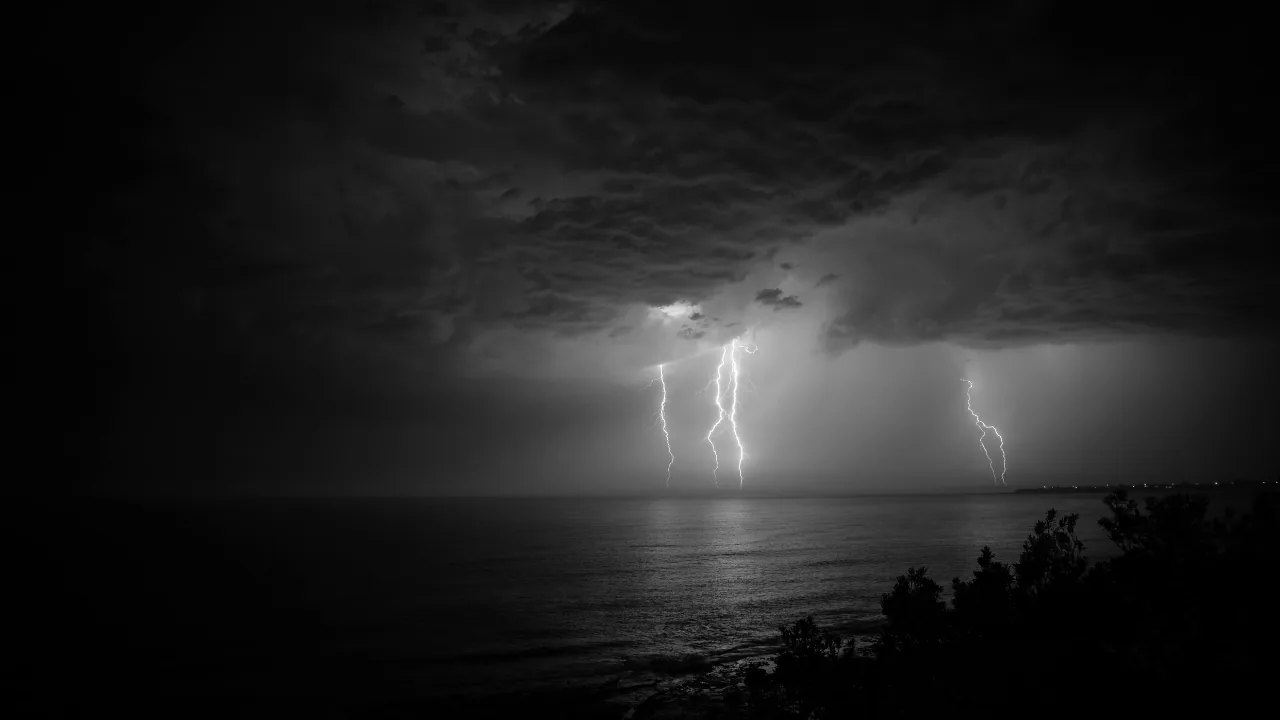
  • Black-and-white photograph of lightning bolts striking the sea beneath heavy storm clouds at night

    Lightning Strikes

    Remembering Kenya and Kennedi Glasgow

    Lightning took two innocent lives in Florida, turning an ordinary day into a tragedy. Learn how to donate to the Glasgow family here.

    Madison Deese ·

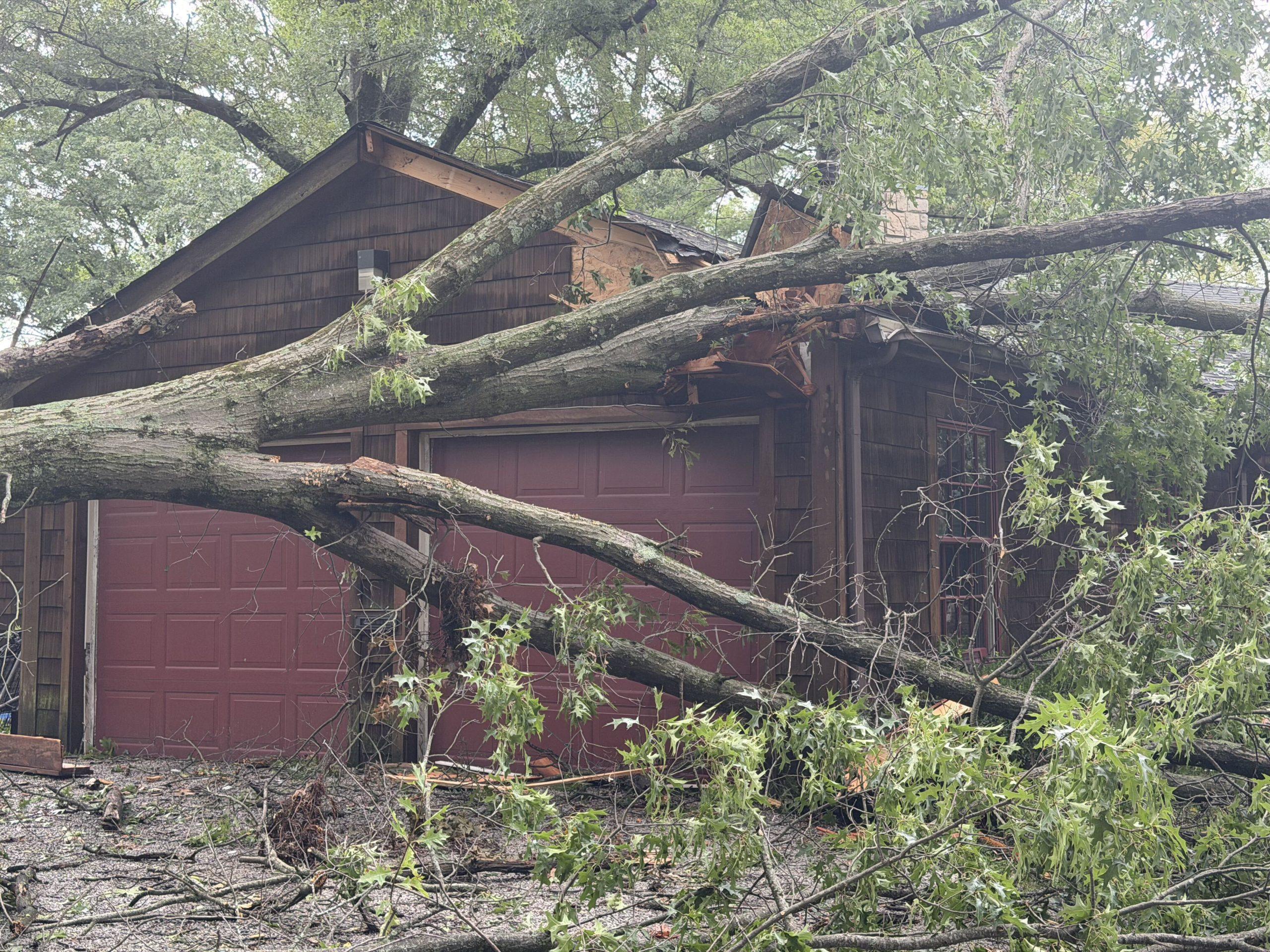
  • A large tree brought down by a severe storm lying across the roof and garage of a house, its branches covering the driveway

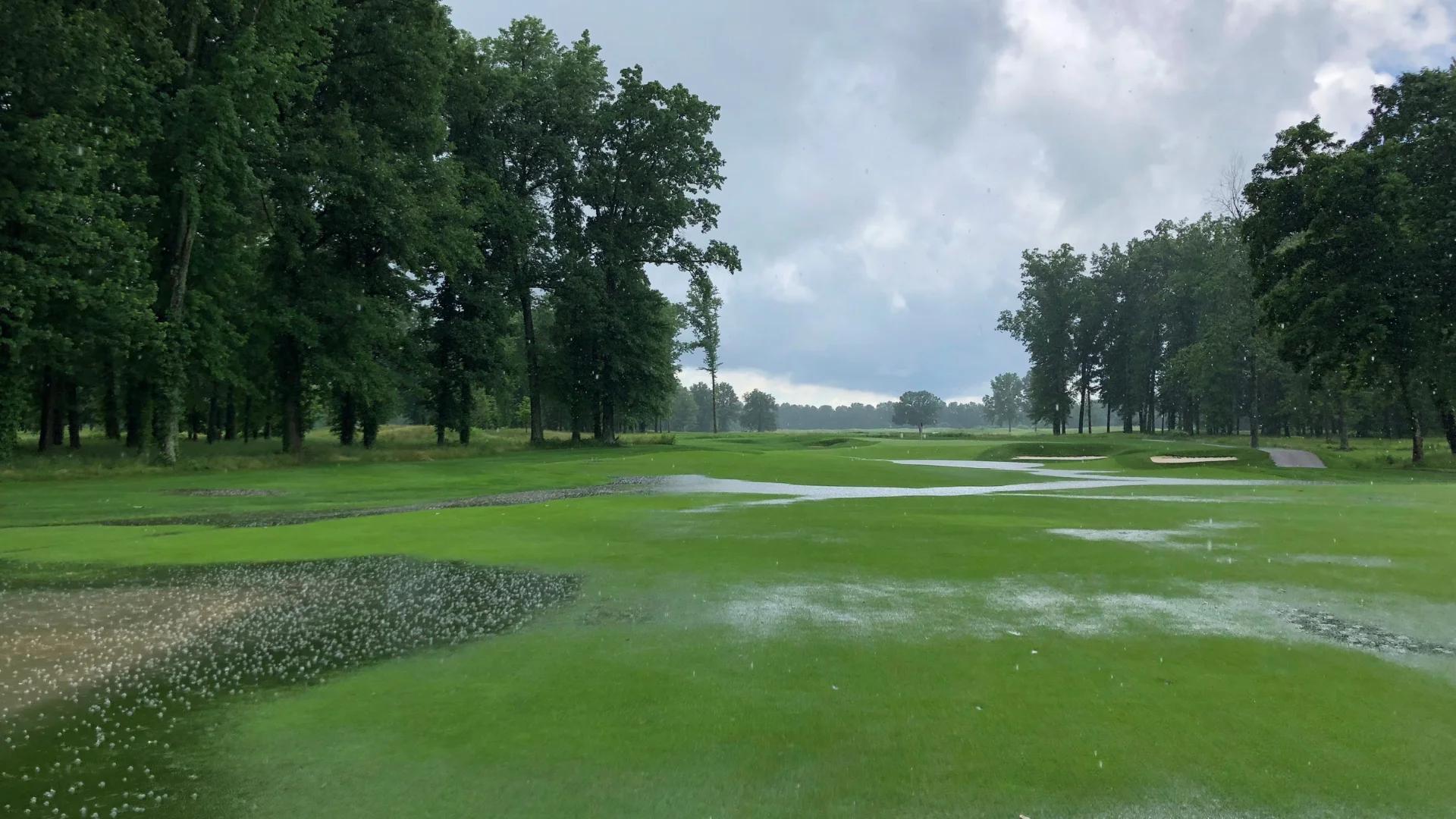
    Lightning Strikes

    A Violent Week of Weather: Three Dead in the Midwest, a Near Miss in Ohio

    From shelf clouds in Chicago to widespread severe storm damage and lightning strikes in Ohio, August is off to a fast start.

    Dave Downey ·

Lightning decisions

When do I clear the field?

Lead time, radius, the all-clear — and who makes the call.

Heat & WBGT planning

How do I plan a heat day?

Turning a WBGT forecast into a practice schedule that survives the afternoon.

Hail & property

Is hail about to hit my roofs, lots or crops?

Up to 55 minutes of warning, and what each industry does with it.

  • A supercell storm anvil with a green-tinged hail core over open plains, the storms Predictive Hail was validated against

    Method

    Four years of CONUS storm data

    Inside Predictive Hail: four years of CONUS storm data

    The convective storm data the hail model is built on, 2021 through 2024, and what it means for lead time.

    Jason Deese · 28 Jul 2026 · 9 min read

  • Rows of parked vehicles under a bruised hail sky, the inventory a dealership moves under cover first

    Playbook

    What moves under cover first

    A dealership hail playbook: what to move first when the alert says damaging-class hail

    Up to 55 minutes of warning. The order of operations for the lot, the service bay and the delivery truck.

    Flash Meteorology Desk · 12 Aug 2026 · 6 min read

  • A residential roof under a hail-bearing sky, the surface a size class turns into an estimate

    Roofing

    Size class, and what adjusters look for

    What the hail size classes mean for a roofing estimate

    Severe, damaging, destructive — and what adjusters look for after each.

    Flash Meteorology Desk · 30 Jun 2026 · 5 min read

Accuracy & methods

How do I check a vendor's accuracy claim?

Every number we publish comes with its window, its ground truth and its period. Ask the same of everyone.

Agentic weather

What can I ask Flash?

Plain-language questions, answers or actions in the tools you already run — and where the guardrails sit.

Start here

Three pages every buyer reads first

Evergreen, dated, and reviewed against the accuracy method. Read these before any vendor call.

  • 01

    Accuracy method

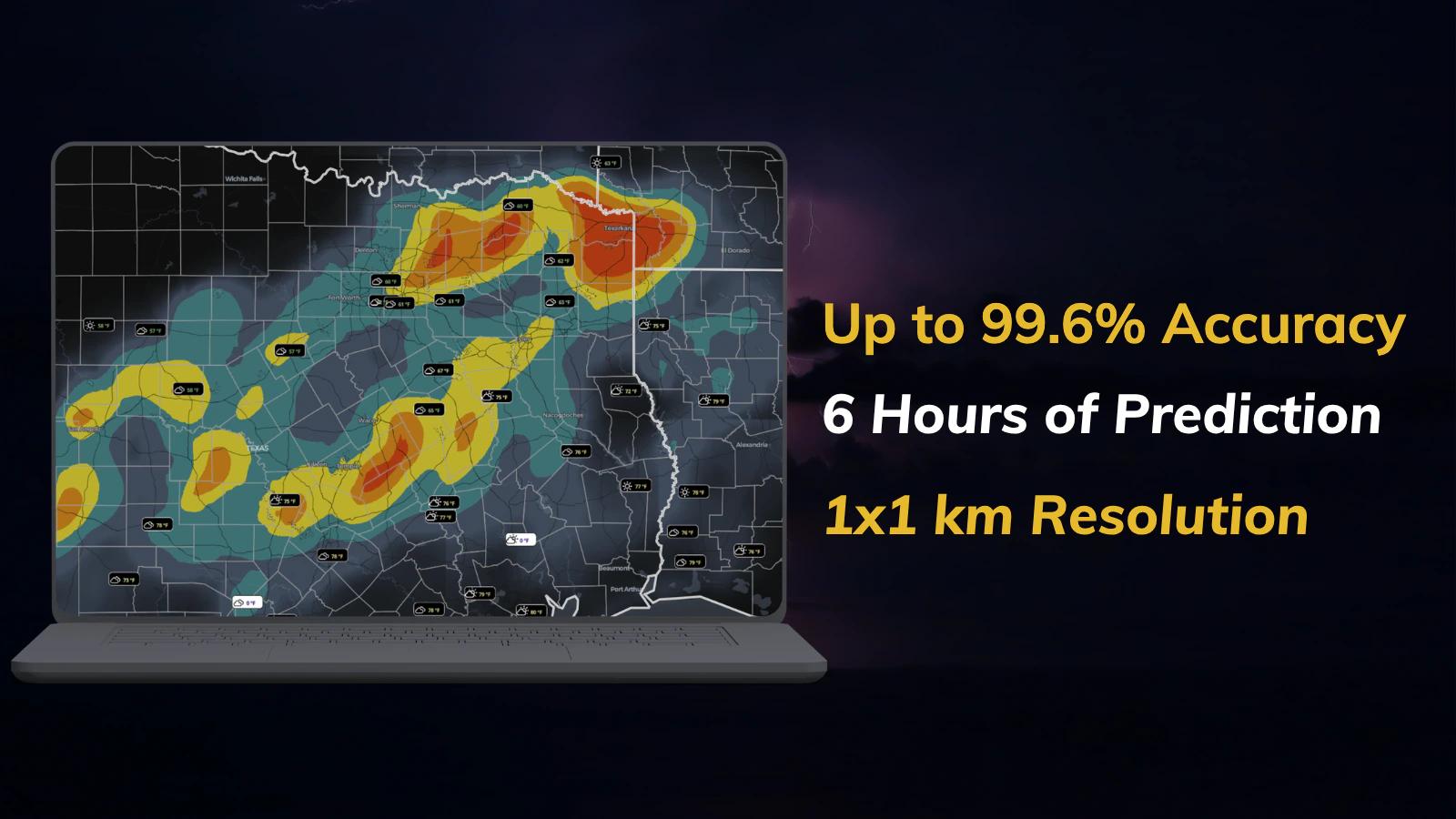
    How we score up to 99.6%: a one-hour window, NLDN ground-truth strikes and hits over hits plus misses, with the false-alarm ratio tracked beside it.

    Read the method

  • 02

    Prediction vs sensors vs detection

    Three technologies that answer three different questions. Which one your lightning policy actually needs, in plain language.

    Read the explainer

  • 03

    Everyone else vs Flash

    A dated, sourced comparison: what detection-based tools measure, how each is priced, and what "real-time" means once the strike has already happened.

    Read the comparison

Field notes · Monthly

One email a month from the meteorology desk.

What changed in the model, what the season taught us, which policy pages we updated. No promotions.

Live demo · No sensors required for the forecast

See your own sites on the map before the next storm.

We'll load your locations, replay last season's strikes against Flash's predictions, and show you the alert log your safety officer would have received.