

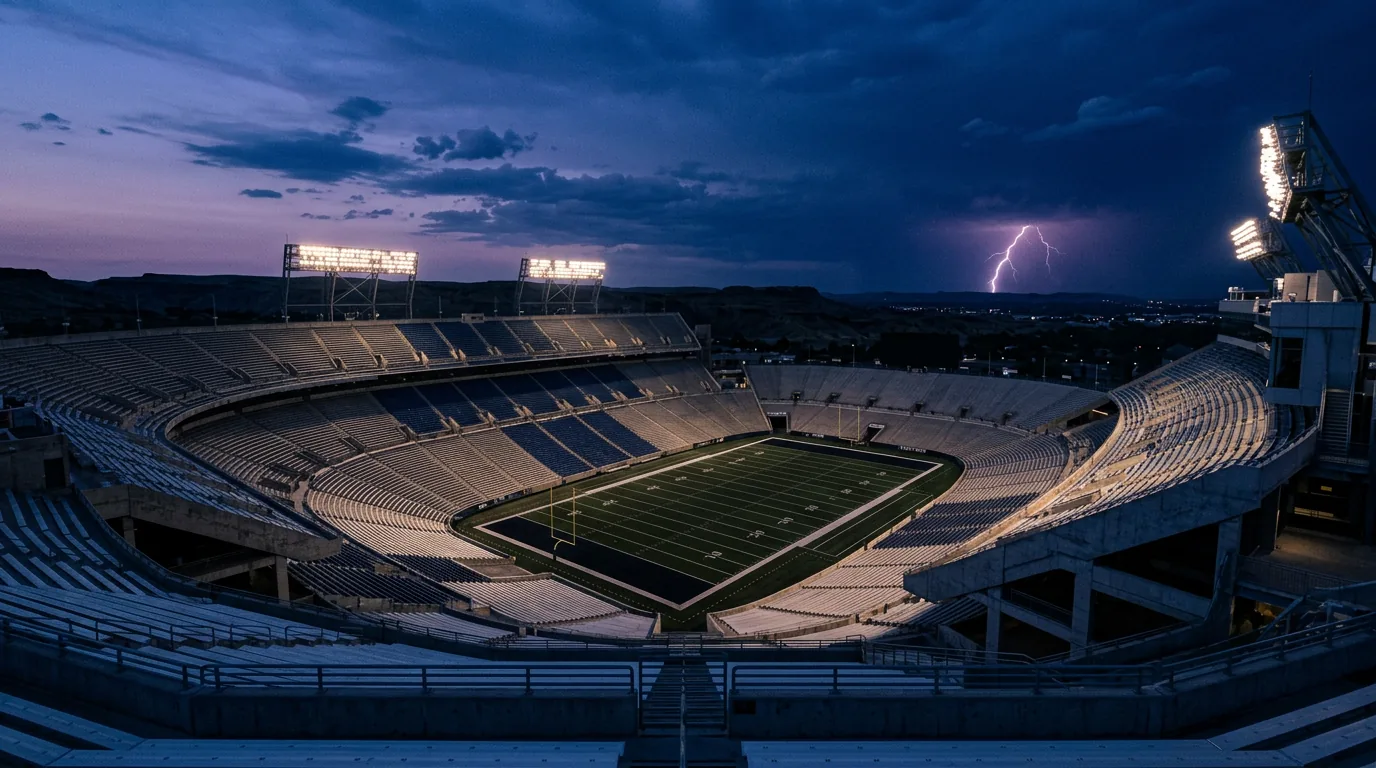
In this article · 5 sections
The short answer is about 10 miles. The National Weather Service says lightning can strike outward roughly 10 miles from a thunderstorm, and it notes elsewhere that strikes can land 10 to 15 miles away. The rest of this article is about why, and what to do with the number.
The distances, from the agencies that publish them
- ~10 mihow far lightning can strike from a storm (NWS)
- 10–15 mipossible strike distance from the storm (NWS)
- ~10 mihow far thunder is normally heard
- 10%of strikes land outside the rain, often 5–10 mi out (NATA)
The figures line up across sources. NOAA says lightning can strike more than 10 miles from where rain is falling. The NWS guidance for sports puts the significant threat at about 6 to 10 miles from the base of the storm cloud. The NATA position statement says about 90% of cloud-to-ground lightning strikes inside the area of rain, while the other 10% typically lands 5 to 10 miles from the rain’s edge, and under some conditions lightning can strike tens of miles from its parent storm.
Why lightning strikes where it is not raining
Lightning does not need rain overhead. The NCAA lightning guideline says at least 10% of lightning happens where no rain is falling, often with blue sky visible, and that it can strike 10 miles or more from the rain shaft. Strikes like these are sometimes called bolts from the blue. The NWS lists "no rain and no clouds overhead means I’m safe" among its lightning myths.
It is also why "wait for the rain" fails as a policy. By the time the first drops reach the field, people have often been inside the strike zone for some time. The same applies in reverse: the rain moving off does not mean the threat has gone, which is why the all-clear clock starts at the last thunder or lightning, not when the rain stops.
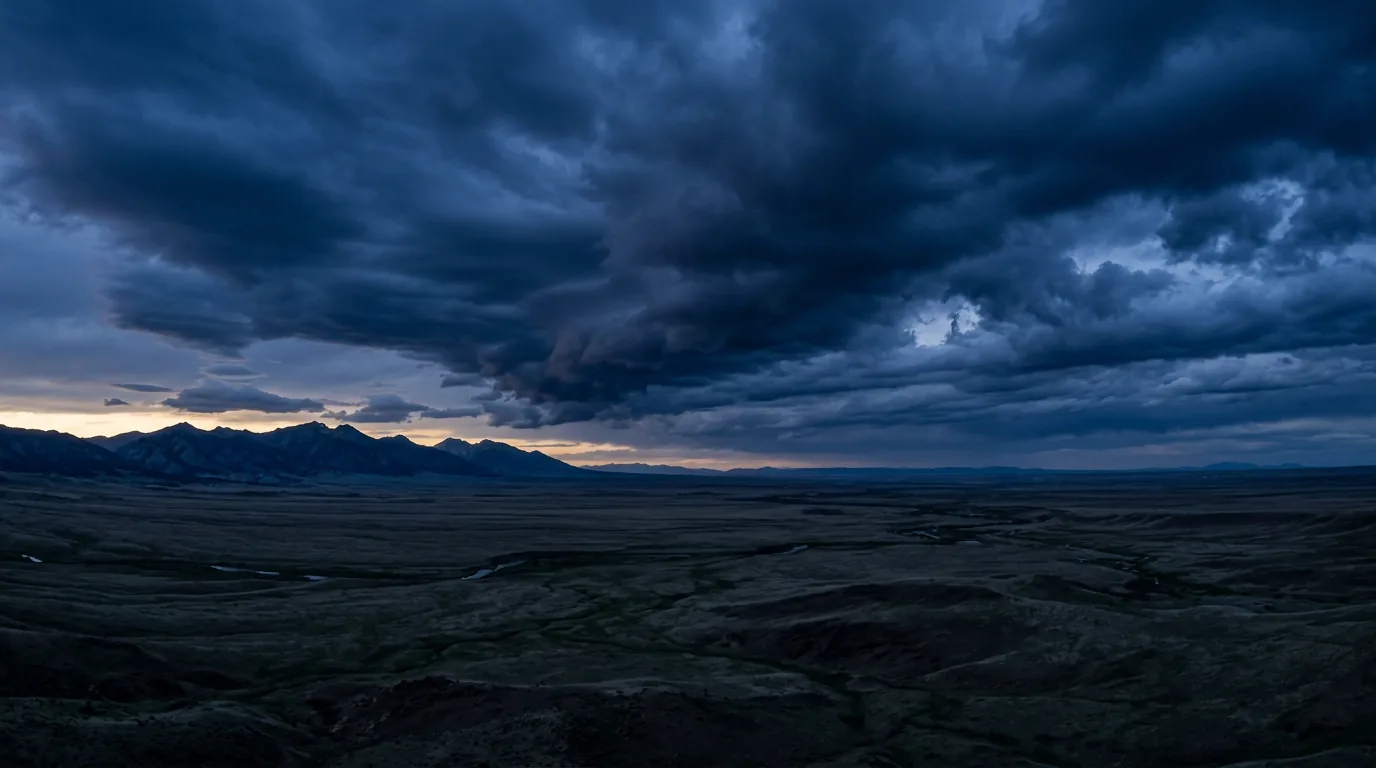
Outside the rain
Dry ground under a storm is still inside its reach.
Estimating distance from thunder
Sound travels about a mile every 5 seconds, so you can estimate how far away a strike was by counting from the flash to the thunder and dividing by 5. Ten seconds is about 2 miles; 30 seconds is about 6.
Use the count to understand where the storm is, not to decide when to move. Thunder is normally heard about 10 miles from a strike, roughly the same distance lightning can reach, so if you can hear it at all you are within range. Current NFHS, NATA and NOAA guidance says to go inside at the first thunder, and our explainer on the 30-30 lightning rule covers why the old 30-second count was retired as a trigger. In a loud stadium or on a windy course you may not hear thunder at all, so a policy should never depend on it alone.
Turning distance into a lightning radius
Guidelines turn these distances into a radius. NFHS tells high schools that use detection network data to suspend play when lightning is within 10 miles. NATA asks that everyone be completely inside a safe building by the time the edge of an approaching storm is 5 nautical miles away, about 6 statute miles, and asks you to plan for the time it takes to get there.
That last part is the real constraint. A radius stands in for time: how many minutes your site needs to get everyone under cover. A practice field beside the gym may clear quickly. A golf course with groups spread over many holes, a stadium with a crowd, or a jobsite with crews at height needs much longer. The bigger the site and the slower the evacuation, the more warning you need before the storm arrives.
A detection radius can only tell you a strike has already happened inside it. Flash Lightning Prediction forecasts strikes up to 60 minutes ahead for every 1×1 km cell, refreshed every 2 minutes, so a large site sees which of its cells the storm will reach and when. Each site sets its own radius and lead time, and the Weather Command Center shows every site on one map. The difference between the two approaches is set out in lightning prediction vs detection.
Frequently asked
Yes. The National Weather Service says lightning can strike outward about 10 miles from a thunderstorm and can reach 10 to 15 miles. NATA notes that under some conditions it can strike tens of miles away.
Yes. About 10% of cloud-to-ground lightning strikes outside the rain, typically 5 to 10 miles from its edge, sometimes under blue sky. No rain overhead does not mean you are safe.
Close enough to strike you. Thunder is normally heard about 10 miles from a strike, about as far as lightning reaches. To estimate the distance, count the seconds from flash to thunder and divide by 5 for miles.
Not on its own. Lightning can strike well outside the rain, so guidance says to wait at least 30 minutes after the last thunder or lightning, restarting the count if there is more.