Skip to content
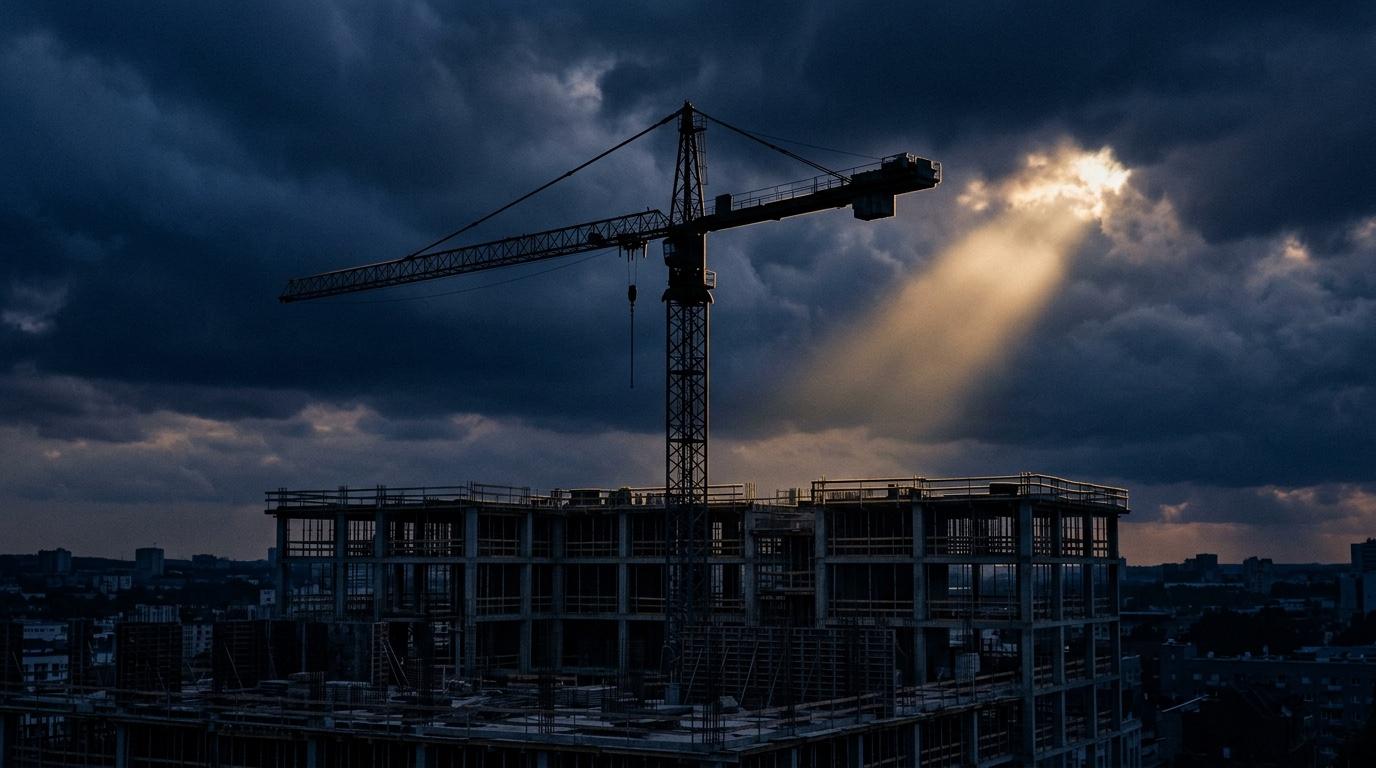
A tower crane silhouette above a half-built concrete structure against a bruised storm sky, one shaft of gold light breaking through

CONSTRUCTION · SUPERINTENDENTS, SAFETY & OPERATIONS DIRECTORS

Lightning alerts for construction sites that reach the crane operator before the first strike.

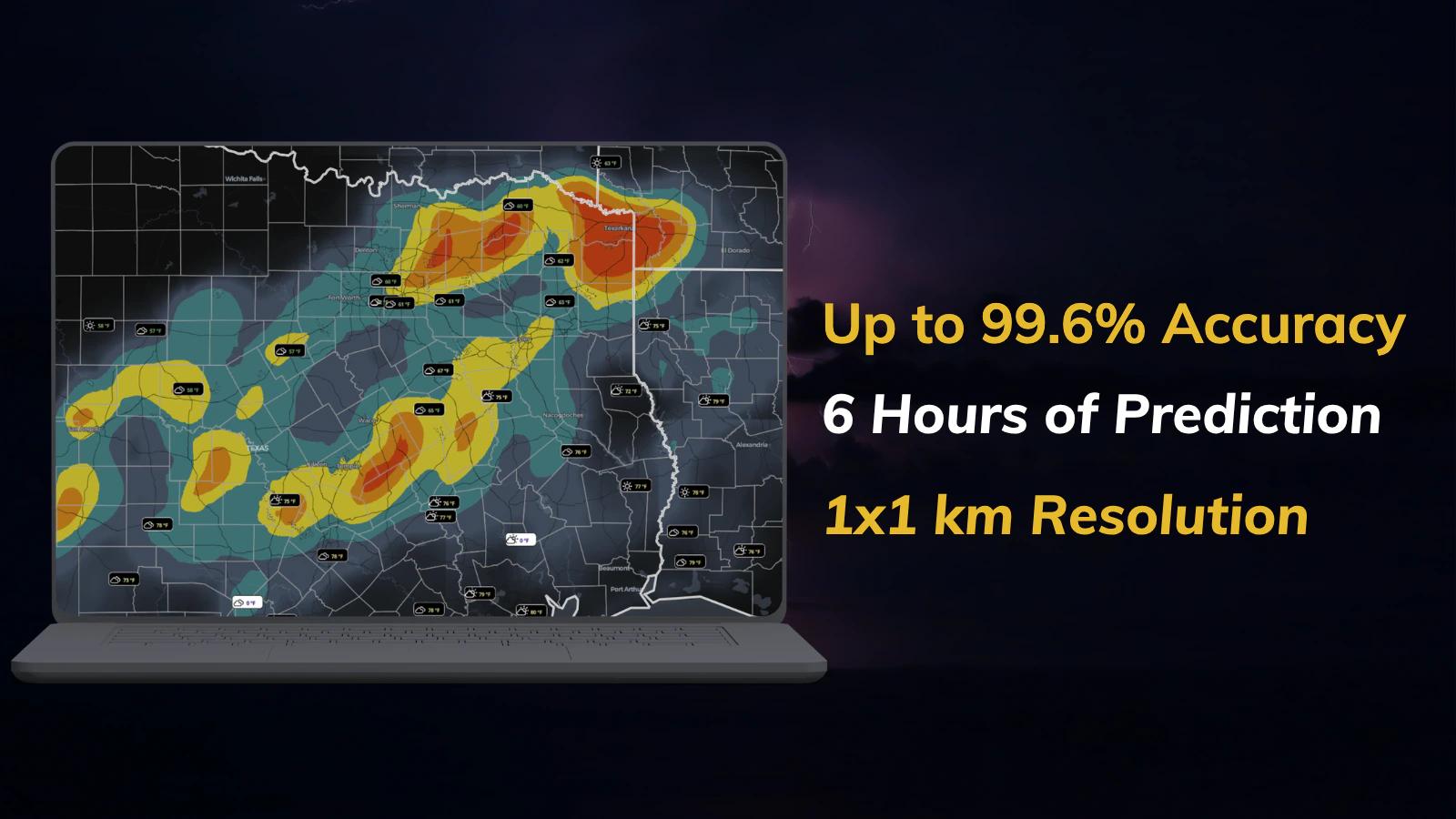
OSHA guidance and the NWS lightning safety rule tell a superintendent what to do once thunder is heard or a strike is detected — and a detection-based horn only fires after that first strike. FirstStrike predicts strikes up to 60 minutes ahead on 1×1 km cells, refreshed every 2 minutes, so elevated work stops while the crane operator still has time to land the load.

FirstStrike · up to 99.6% lightning accuracy on a 60-minute window, measured against NLDN strikes · no sensors required for the forecast

PORTFOLIO · ACTIVE SITES

Refreshed 2 min ago

PORTFOLIO · ACTIVE SITES
SITESTATUSNEXT STRIKE
Midtown Parking DeckWatch18 min
I-285 Bridge RehabAdvisory41 min
Alpharetta Data HallAdvisory52 min
Canton Logistics HubClearnone in 5 h
Buford Hwy Mixed-UseClearnone in 5 h
Marietta Square HotelClearnone in 5 h
Dawsonville Solar YardClearnone in 5 h
Athens Student HousingClearnone in 5 h

4 more sites, all clear

Open Weather Command Center →

ILLUSTRATIVE EXAMPLE · NOT LIVE WEATHER

Skye · ask in plain language

Ask the question your crew actually asks.

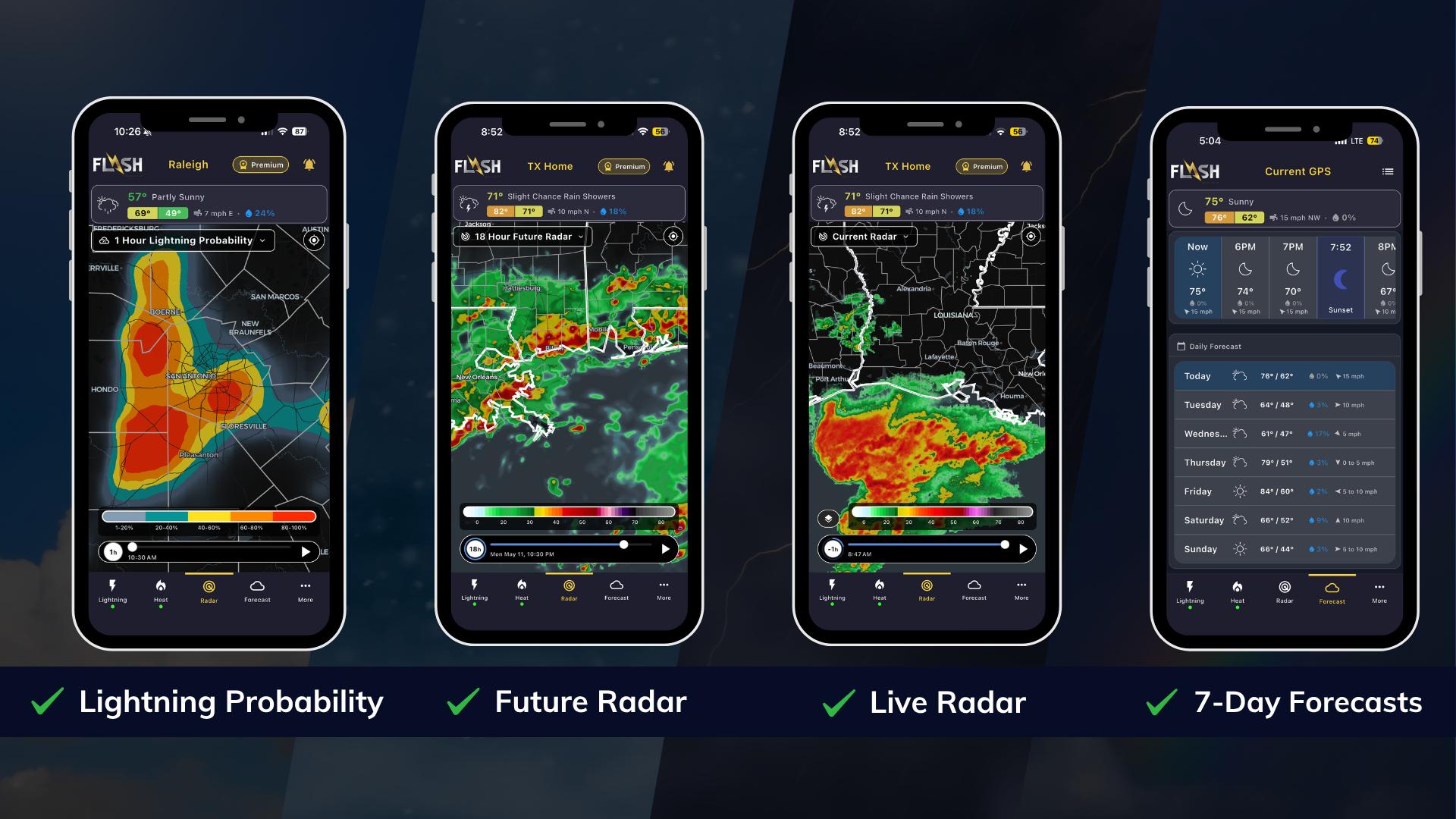
Pick your industry. Skye, Flash Weather's AI weather agent, answers from the same 1×1 km forecast, refreshed as often as every two minutes, then acts in the tools you already run.

SKYE can connect to your CRM and ERP.

Your tools and data

Sites, limits, schedules

CRM · ERP · Procore · Slack

Prediction engine

15+ forecasts, 1×1 km

Lightning every 2 min, hail every 5

Power
Skye, the Flash Weather agent

Skye

Combines both, answers in plain language, proposes the action.

You and your crew

Ask in plain language

Get the answer in seconds

Your decision

  • Go / No-go
  • Reschedule
  • Alert the crew
Pick your industry

Questions crews ask

Illustrative example · not live weather

strike-level lightning lead time, up to
60 min
lightning model refresh, every cell; hail every five minutes
2 min
of lightning probability for every site, on one screen
5 h
grid cell, with no sensors required for the forecast
1×1 km

Lightning accuracy is up to 99.6% on a one-hour prediction window. The method behind the figure is published on the accuracy method page. Read the accuracy method →

Who hears the lightning alert, in what order, and how

You set the chain once per site in the Weather Command Center. Each step names the people, the channel and the trigger, so a new foreman or a night crew inherits the same procedure.

ILLUSTRATIVE EXAMPLE · NOT LIVE WEATHER

  1. The Flash Weather Command Center on a laptop showing the lightning Advisory a superintendent sees for a job site up to an hour before the strike

    COMMAND CENTER

    STEP 1 · T–60 MIN

    Advisory in the Weather Command Center and by SMS: a strike is predicted within 60 minutes at Midtown Parking Deck. Decides whether elevated work stops at T–30.

    Command Center · SMS

  2. The Flash mobile app showing the Watch push notification every foreman on the site receives

    MOBILE APP

    STEP 2 · T–45 MIN

    Watch pushed to every foreman on the site. Stage crews, secure loose material, confirm who is on the deck and who is in the excavation.

    Mobile push · SMS

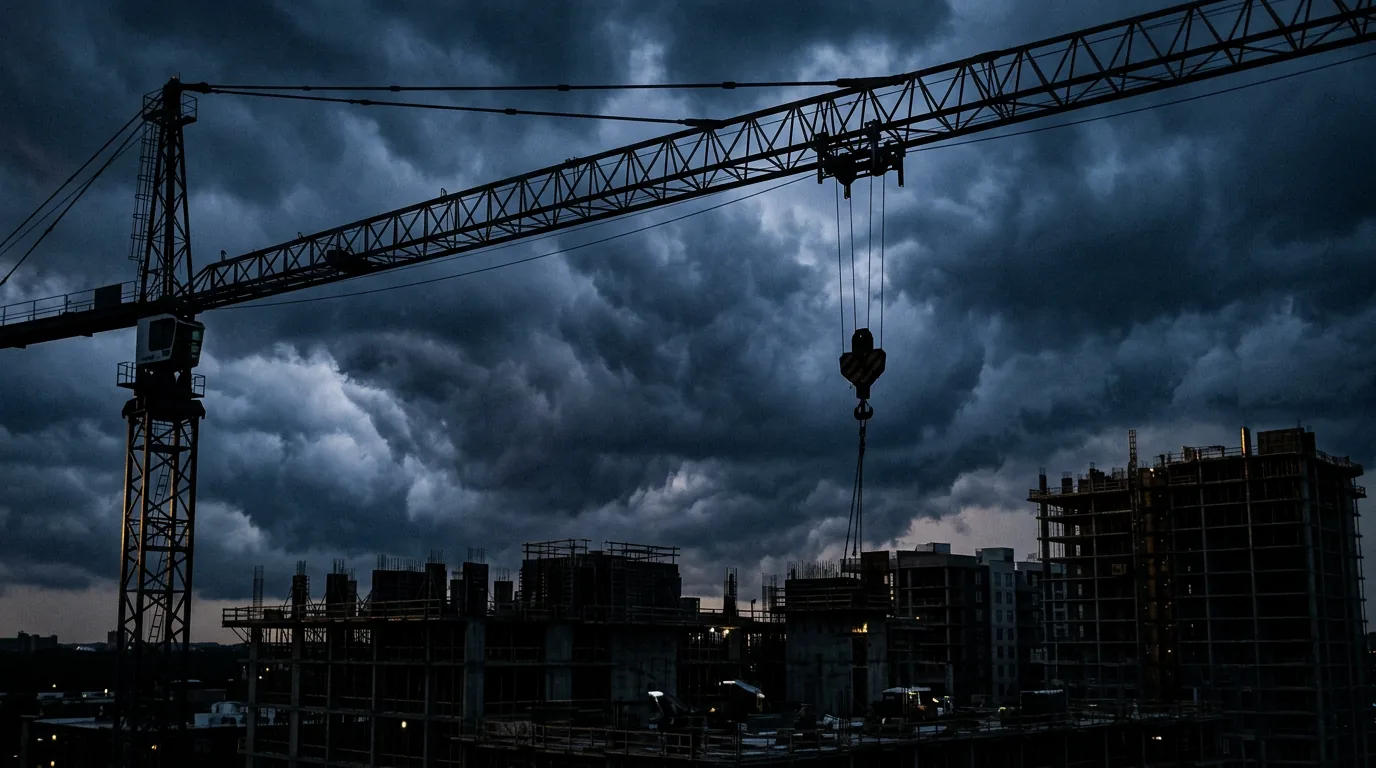
  3. A tower crane jib and hook block silhouetted against a churning slate storm sky above a high-rise construction site

    ELEVATED WORK

    STEP 3 · T–30 MIN

    Cease elevated work: land the load, boom down, lock the cab. Called by the foreman on radio and pushed to the operator’s phone at the same moment.

    Radio · mobile push

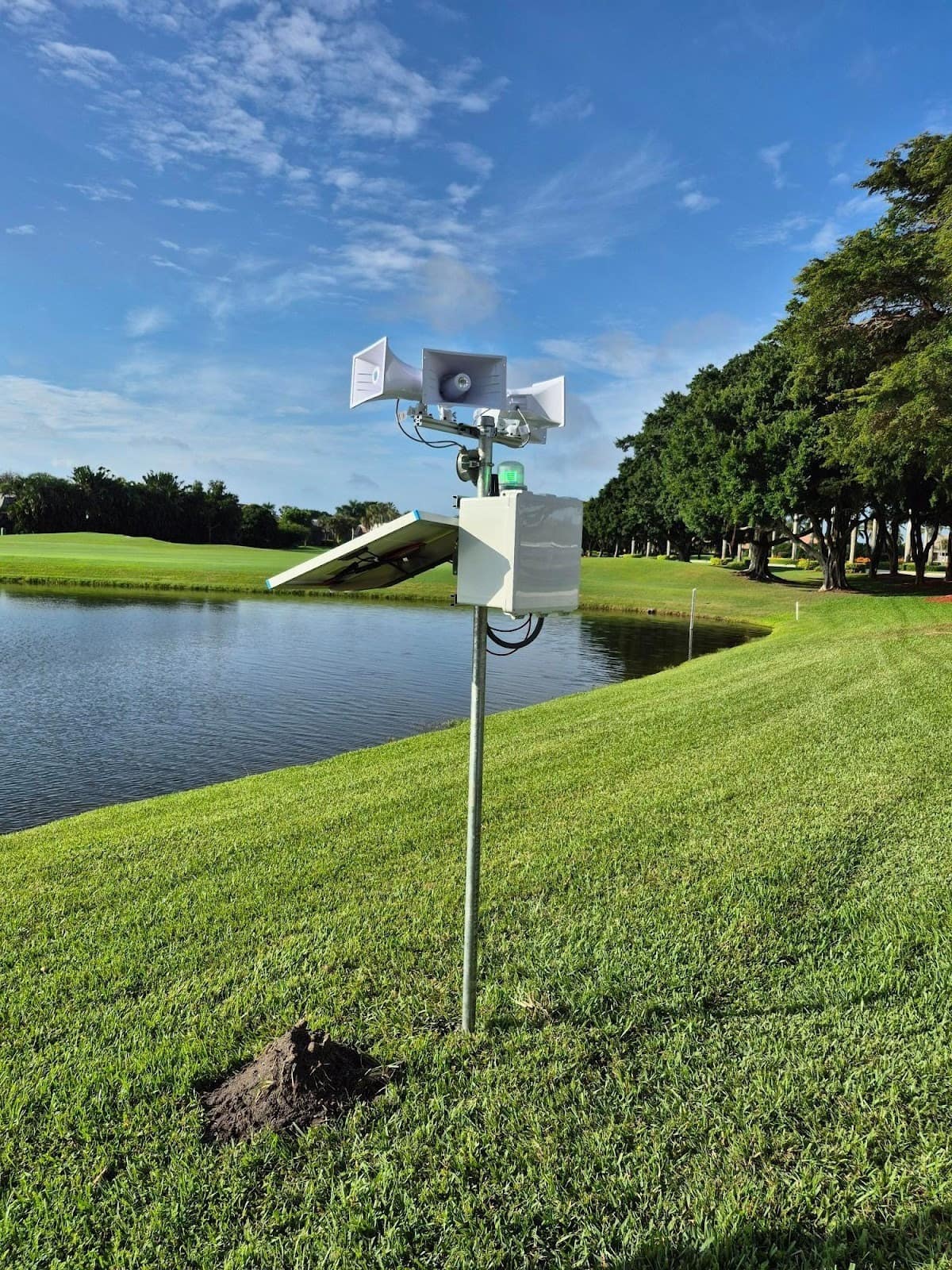
  4. Flash Weather Shield siren installed on a golf course

    SITE WARNING

    STEP 4 · T–20 MIN

    The Warning triggers the site horn integration: two blasts, strobe on until the all-clear. Everyone off scaffolds and out of the pit, roll call at the muster point.

    Horn · strobe · SMS

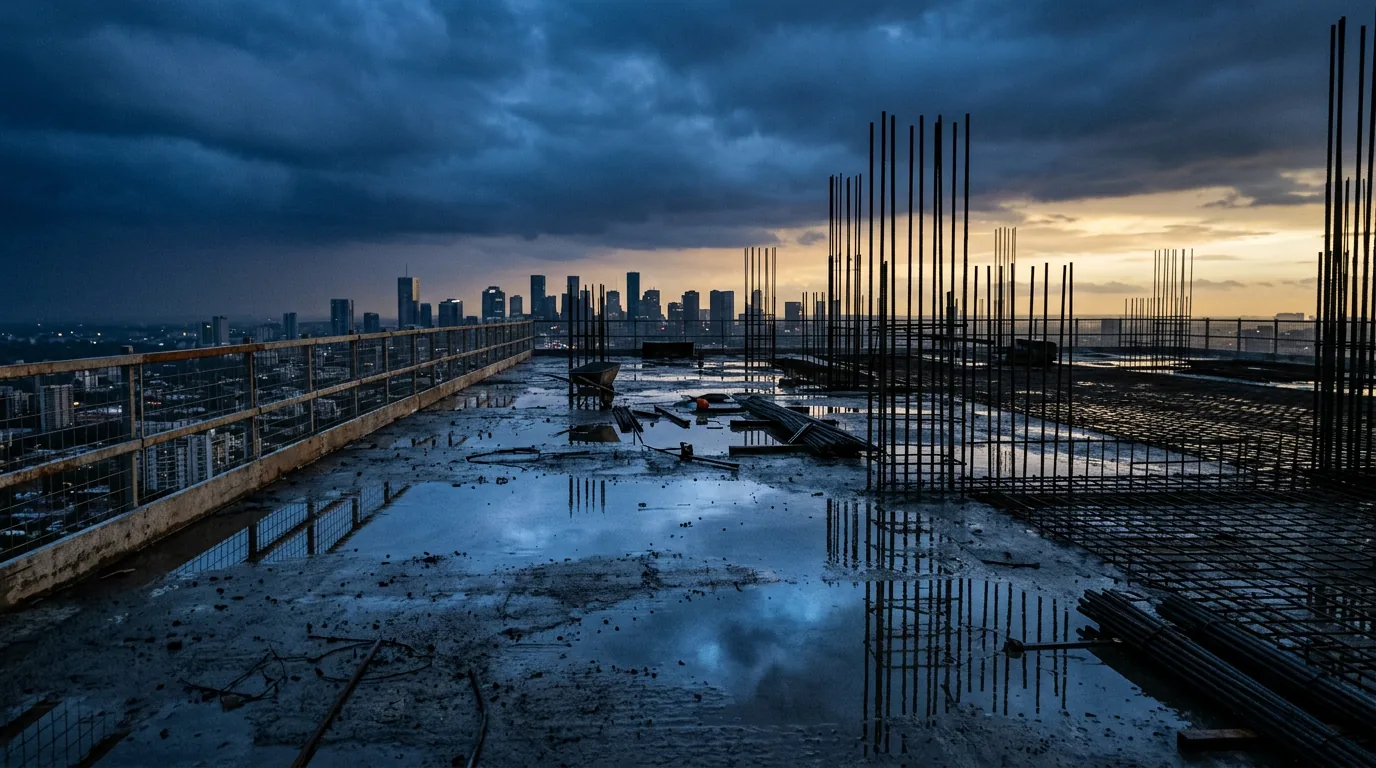
  5. A wet concrete high-rise deck with rebar and standing rainwater reflecting a clearing sky after the squall passes

    BACK TO WORK

    STEP 5 · WHEN THE CELL CLEARS

    One long blast and an all-clear message. Foremen confirm headcount and the alert log closes the event with every acknowledgement attached.

    Horn · Command Center · SMS

One plan view: the 1×1 km cell, the crane radius and the cease-work ring

The superintendent drops the site boundary and the crane positions once. Flash overlays its 1×1 km prediction cells and draws the rings from your own lightning policy, so the operator sees which part of the site stops first.

Show or hide a layer on the plan

ILLUSTRATIVE EXAMPLE · NOT LIVE WEATHER

Downtime on the record: the alert log for each site

Every alert, every decision and every acknowledgement is timestamped against the model run that triggered it, so a weather delay is a documented safety decision rather than an argument.

ILLUSTRATIVE EXAMPLE · NOT LIVE WEATHER

6 entries

TIMESITEALERTDECISIONACKNOWLEDGED BY
14:02Midtown Parking DeckAdvisoryAdvisory received; foremen notified; elevated work continuesR. Alvarez, superintendent

Cell 2214 · model run 14:00 · logged 14:03

14:17Midtown Parking DeckWatchCrews staged; loose material secured; deck headcount takenJ. Okafor, foreman

Cell 2214 · model run 14:16 · logged 14:19

14:32Midtown Parking DeckWatchCease elevated work; crane TC-1 boomed down, load landedD. Pham, crane operator

Cell 2214 · model run 14:30 · logged 14:36

14:41Midtown Parking DeckWarningHorn sounded; site cleared to muster point; headcount 46 of 46J. Okafor, foreman

Cell 2214 · model run 14:40 · logged 14:44

15:14Midtown Parking DeckAll-clearWork resumed; 42 minutes of elevated-work downtime logged against the eventR. Alvarez, superintendent

Cell 2214 · model run 15:12 · logged 15:15

14:26I-285 Bridge RehabAdvisoryNo action; strike ETA 41 minutes; monitoring at the next 2-minute refreshS. Whitfield, safety manager

Cell 2231 · model run 14:24 · logged 14:27

Wed 23 Sep 2026 · 6 of 14 entries · each row links to the model run and the 1×1 km cell that triggered it

HourlyWBGT forecast per site

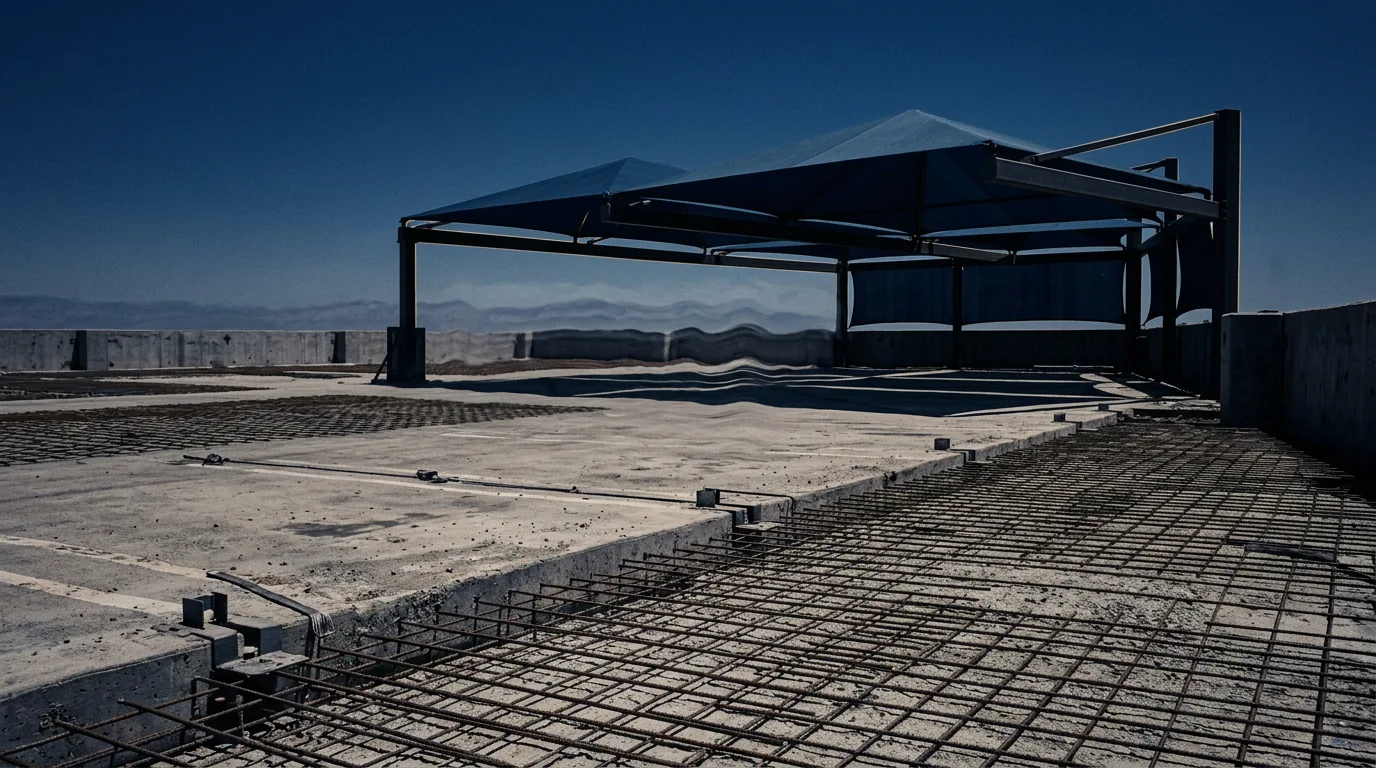
Heat shimmer over a bare concrete parking deck with rebar mats and a shade canopy in hard midday sun

MIDTOWN DECK

Heat: crew rotation and hydration planned at the morning huddle

The WBGT forecast for each site tells the safety manager which hours will cross your heat-illness prevention thresholds, so water, shade and rest cycles are scheduled before the shift instead of read off a thermometer at noon.

ILLUSTRATIVE EXAMPLE · NOT LIVE WEATHER

MIDTOWN DECK · TODAY, WBGT °F
10:0082.4 · normal rotation
12:0087.9 · 15-min rests hourly
14:0089.6 · rotate deck crews
16:0086.1 · normal rotation

PARTNERS & PODCASTS

Flash in the tools and media construction already uses.

All coverage on press & partners →

Who brings Flash into construction, and why

The titles that make the call, the problem they describe on the first conversation, and where they gather.

Who buys

  • Director of Technology or Innovation
  • Director of Safety
  • Superintendent
  • Director of Operations
  • Corporate Safety Manager

The problem on the first call

  • Downtime is expensive, especially when it is unnecessary.
  • Unexpected lightning is dangerous, and the all-clear can take far too long.
  • Heat risk is rarely anticipated, so schedules stop when WBGT peaks. It is hard to know ahead of time when it will peak and when it will wane.
  • Rain changes everything: near-term and long-range rain forecasts for scheduling and last-minute shifts, and knowing when a wet site is dry enough for earthmoving or trenching.
  • General contractors have to file a daily weather report, and many still do it by hand. An automated, accurate report saves the time, limits the liability and keeps a record of what really happened.

Where these buyers gather

  • Chicago Build Expo
  • New York Build Expo
  • World of Concrete
  • General contractor associations and events

Questions superintendents, safety, operations and technology leaders ask

A Warning for the site’s 1×1 km cells: a strike predicted inside your policy’s radius and window. You choose the level that fires the horn integration; most sites fire the horn at Warning and use Advisory and Watch for people, not sirens.

The chain is per site, not per company. Add each GC’s superintendent and every sub’s foreman to the steps they belong in; everyone acknowledges in the same log.

Alerts follow a person’s assigned sites, and the mobile app can also alert on the phone’s current location. A crew driving toward a site under Watch sees it before they park.

A detection horn fires when a sensor registers a strike that has already happened nearby. FirstStrike forecasts the strike up to 60 minutes ahead from 30+ integrated data signals, refreshed every 2 minutes. Accuracy is up to 99.6% on a one-hour prediction window; the prediction vs sensors vs detection page has the full comparison.

Per person, per month, by product. Put the superintendents and foremen who need the alert on the subscription; people can be added or removed between phases. The pricing page lists every price; a demo replays last season’s strikes against your sites.

Book a demo · No sensors required for the forecast

See your own sites on the map before the next storm.

We'll load your locations, replay last season's strikes against Flash's predictions, and show you the alert log your safety officer would have received.