In this article · 4 sections
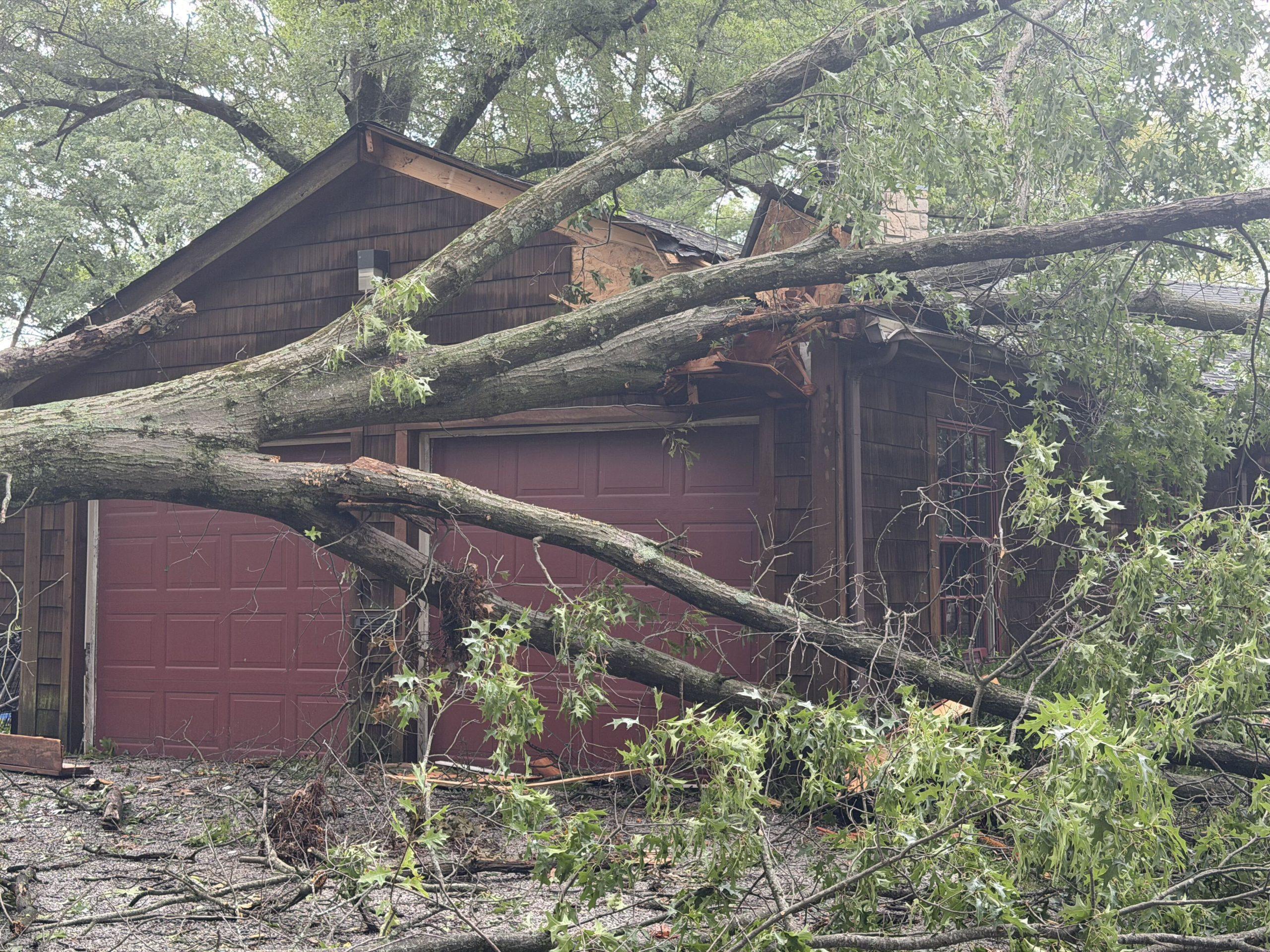
Severe weather swept across the Midwest on Tuesday, August 11. Three people were killed. Storms brought hurricane force wind gusts, widespread power outages, and flooding, leaving utility crews and emergency officials working through the damage for days.
Details are still coming in as of this writing, and we are not going to speculate ahead of the reporting. What is known: three confirmed deaths, wind gusts topping 100 mph, more than a million customers at one point without power, and flooding left behind across the region.
Days earlier, in Ohio
Just a few days before, a previous bout of storms produced a story with a very different ending.
On a golf course in Cincinnati, a man was filming his friends as they tried to free a golf cart stuck on a wet incline. It was raining. A thunderstorm was overhead. He was standing under a tree, next to a golf bag with an umbrella in it, laughing at the cart rolling backwards.
The video ends with a bang and a flash.
He was struck on the arm. His injuries were not life threatening and he is recovering. He later told meteorologist Matt Devitt that he was “unbelievably lucky,” which is an accurate description of what happened to him. OutKick reported the incident on August 10.
Devitt’s response to the video was the standard guidance, and it is worth repeating: when thunder roars, go indoors.
What the Safety Guidance Actually Says
Both events are ordinary in the sense that matters most. Neither involved an exotic storm or a failure of the forecast. They involved common summer weather meeting people who were outdoors.
The core guidance from the National Weather Service has not changed and does not need to:
- There is no safe place outdoors during a thunderstorm. Not under a tree, not in a dugout, not in a shelter that is open on any side.
- A tree is about the worst option possible. Lightning that strikes a tree can travel through the ground and through the trunk to anyone nearby.
- A fully enclosed building or a hardtop vehicle with the windows up is the goal. Get to one and stay there.
- Metal objects held or carried, including umbrellas and golf clubs, do not attract lightning, but they offer no protection and can make a bad position worse.
- When thunder roars, go indoors, and stay there until well after the storm has passed.
If you are outside, that list is the whole job. The Cincinnati golfer broke most of it and survived anyway. That is luck, not a lesson in what is survivable.
Where Prediction Fits
Flash Weather builds predictive lightning technology, so we will be direct about the limits of what that does and does not address. The Midwest fatalities involved wind, flooding, and the damage that follows them, and nothing about lightning prediction speaks to those outcomes. What it does address is the window before a storm arrives: FirstStrike™ forecasts when and where lightning will occur up to an hour before the first strike, with up to 99.6% verified 1-hour accuracy at 1×1 km resolution, refreshed every 2 minutes. For an operator responsible for a course, a field, or a job site, that is time to move people while the walk back is still easy, rather than after the first bolt has already landed. It is one piece of a safety plan, not a substitute for one, and it does not do anything on its own. Someone still has to make the call.
The Week in Perspective
Severe weather season is not over, especially with the building super El Nino. The fall severe weather season (and even dragging into winter) will be active, and the storms that kill people are usually not the ones that make national news for a week. They are the ordinary ones that catch someone outside.
If you run a business where people are outdoors, this is a great week to reread your severe weather plan and ask one question, plus a follow up about it: what event triggers the first action, and how much time does that leave everyone? If the answer is thunder, or a strike inside a radius, your plan begins at the last available moment.
Our thoughts are with the families of the three people killed in the Midwest this week, and with the communities still without power and dealing with flood damage.